"Myriad Virtues in Solemn Majesty – Nepal Thangka Fine Art Exhibition" Opens in Beijing: Promoting China-Nepal Mutual Learning through Intangible Cultural Heritage
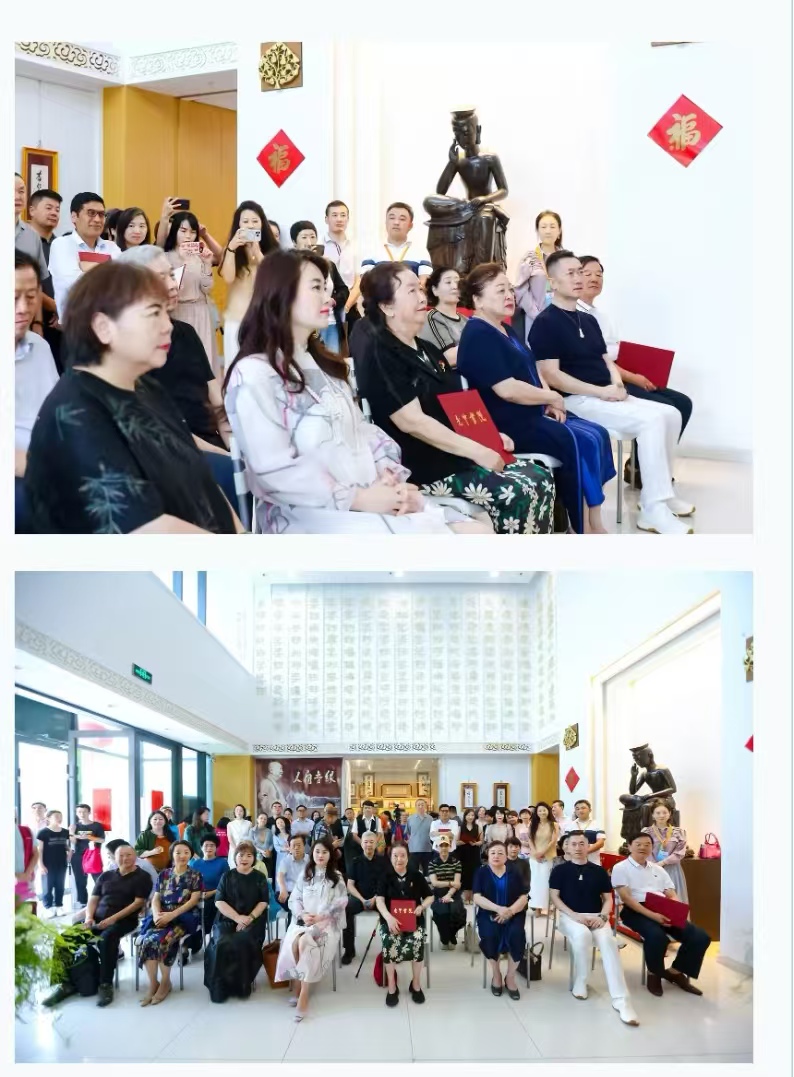
On August 9, the "Myriad Virtues in Solemn Majesty – Nepal Thangka Fine Art Exhibition" officially opened at the Beijing Guangzhong Cultural and Educational Center. Hosted by the Nepal Thangka Art Academy and co-organized by Beijing Jia’an International Culture and Arts Co., Ltd., the exhibition brought together nearly a hundred cultural experts and representatives from various fields across China. Centered on the ancient intangible cultural heritage technique of Nepali Newari Thangka, the exhibition aims to build a platform for China-Nepal cultural exchange and to promote the living transmission of Himalayan traditional fine arts and cross-civilization dialogue.
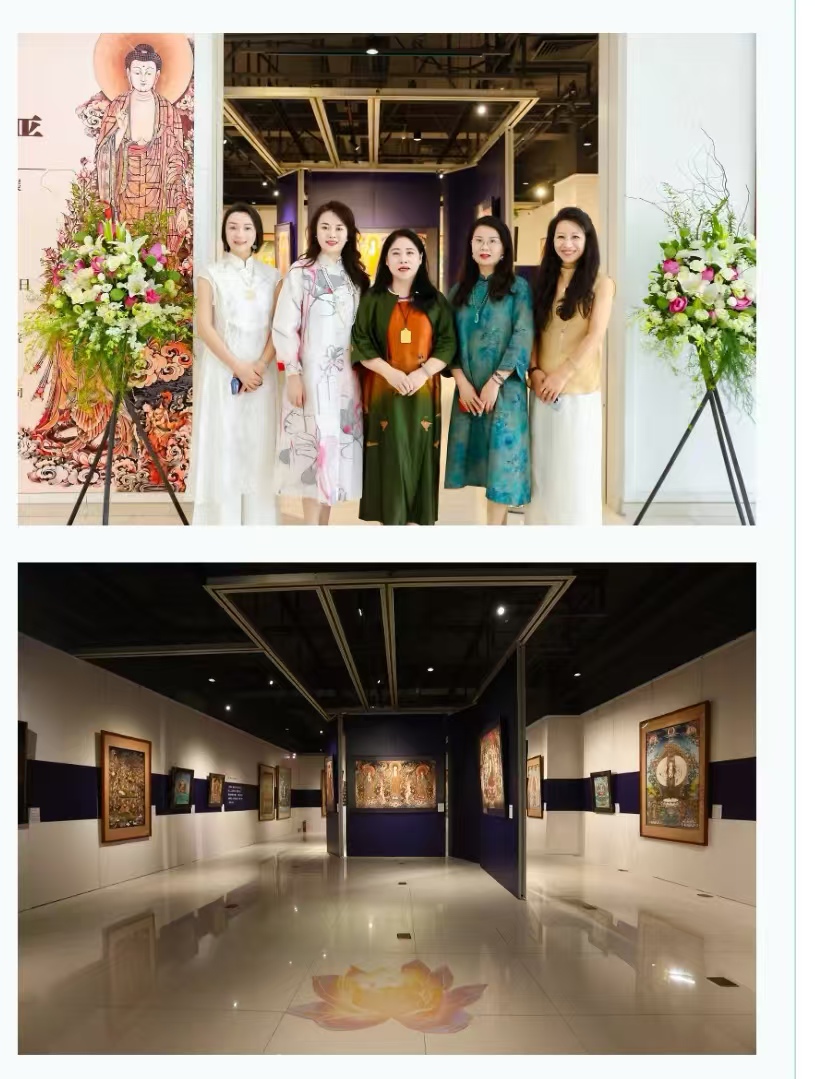
The opening ceremony was graced by a distinguished gathering of guests, including Fan Chongyan, former Secretary of the All-China Women's Federation Secretariat and Founding President and Chair of the Expert Committee of the China Children's Culture and Art Promotion Association; Yang Jianli, President of the Capital Calligraphy and Painting Art Research Association; Zhang Jun, Deputy Secretary-General of the China Care for the Next Generation Health and Sports Foundation and Executive Vice President and Secretary-General of the Beijing International Art Expo Foundation; Jiang Yiping, Vice President and Deputy Secretary-General of the Beijing International Art Expo Foundation; Lu Derui, Director of the China International Brand Observation Center; Xu Xiaoyang, Director of the Xu Beihong Art Museum; Hu Junjie, initiator of the Dandelion Intangible Heritage Hundred-Project and specially appointed expert of the Ministry of Education; Liao Ling, founder of the intangible cultural heritage Chinese-style brand Yue Shang Ya Yun and senior Chinese-style costume designer; and Luo Xiao, Deputy Director of the Beijing Jintai Art Museum and President of the Beijing Yiyuan Culture and Art Promotion Association. Daya Prasad Joshi, President of the Nepal Thangka Art Academy, participated throughout as the core figure behind the exhibition.
In the keynote address session, Daya, Fan Chongyan, Zhang Jun, and Hu Junjie successively delivered speeches on topics including intangible heritage transmission, youth aesthetic education, and China-Nepal cultural exchange.
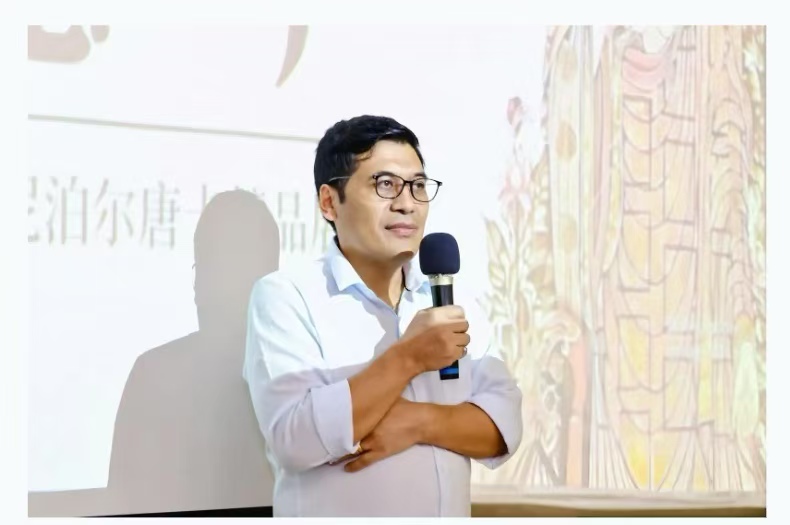
President Daya elaborated on the exhibition’s cultural essence in a dedicated interview. He noted that the exhibition title "Myriad Virtues in Solemn Majesty" is highly aligned with the spiritual nature of Thangka art—Thangka is by no means a static painting, but an artistic vehicle carrying profound cultural heritage, philosophical wisdom, and aesthetic ideals. Regarding the selection criteria for the exhibits, Daya explained that all works underwent rigorous screening, with strict evaluation of the artist’s skill, color schemes, iconographic themes, and overall artistic expression. The exhibited pieces are markedly distinguished from ordinary Thangkas in terms of fineness of line, layering of mineral pigments, and adherence to traditional iconometric protocols, collectively showcasing the exquisite craftsmanship of the Newari school.
For general audiences on how to appreciate Nepali Thangka, Daya shared key tips: focus on three aspects—extremely fine and dense linework, archaic color palettes derived from natural minerals, and traditional motifs and figure designs rich in cultural symbolism. Newari Thangka strives for perfection in every detail, with each brushstroke following ancient methods, and natural colors drawn from the earth and mountains, evoking a timeless aesthetic—this is its unique artistic hallmark. Daya, who has long been engaged in China-Nepal folk cultural exchange, stated that Thangka, as a shared intangible heritage symbol of the Himalayan region, enables people of both nations to deepen their understanding of each other’s civilizations through artistic appreciation. Regular cross-border intangible heritage activities not only allow ancient techniques to reach beyond their homeland but also bring the peoples of China and Nepal closer, solidifying a foundation of friendship.
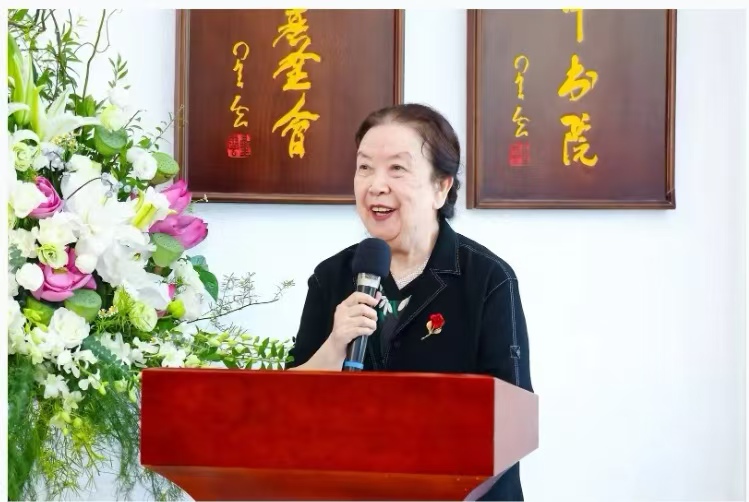
Fan Chongyan shared her views on integrating intangible heritage transmission with youth aesthetic education. She remarked that Thangka, as a world-class intangible cultural heritage, possesses both high aesthetic value and humanistic educational significance, making it an invaluable resource for aesthetic education. Enabling more young people to experience the diverse charm of intangible heritage up close helps them build cultural confidence and broaden international perspectives through the contrast between Eastern and Western arts.
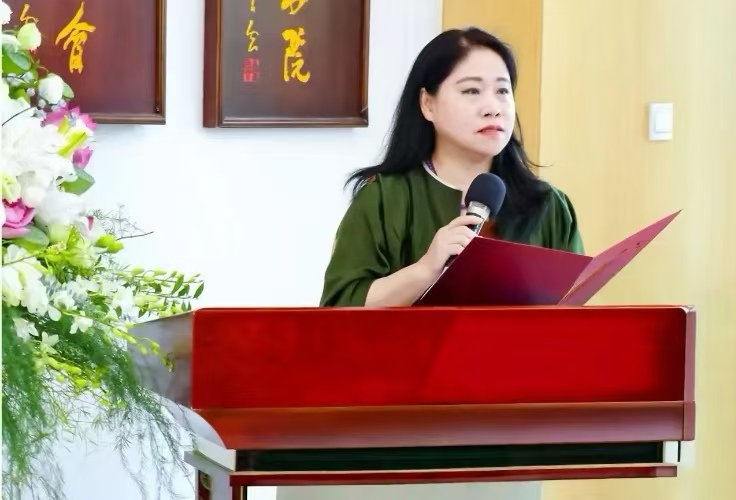
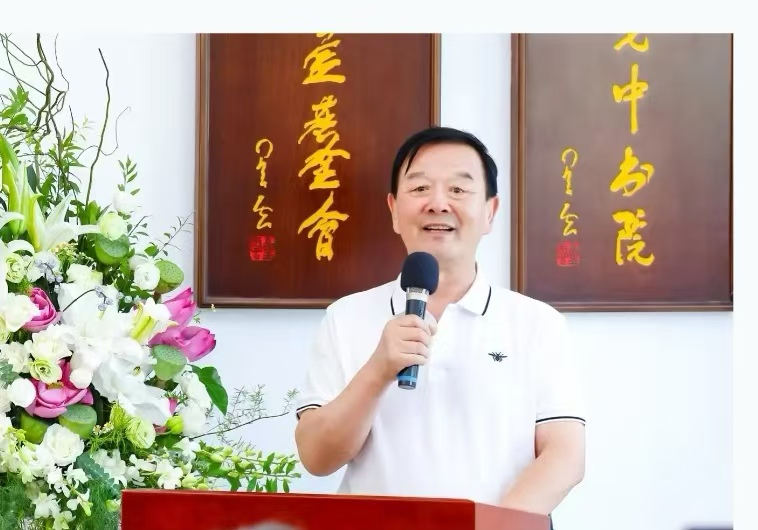
Zhang Jun, speaking on the intersection of care for the next generation and intangible heritage dissemination, noted that the foundation has always been committed to enhancing the physical and mental health and artistic literacy of young people. Thangka, carrying a thousand years of handcrafted tradition, enriches the spiritual and cultural offerings for youth. In the future, the foundation will continue to integrate public welfare resources and establish regular platforms for intangible heritage exhibitions and experiences, bringing more outstanding works to the public and safeguarding intangible cultural heritage through charitable efforts. Hu Junjie focused on the revitalization and protection of endangered crafts. She pointed out that Nepali Newari ancient-method hand-painted Thangka is an endangered handcrafted intangible heritage project urgently in need of transmission and promotion. The "Dandelion Intangible Heritage Hundred-Project" has long been dedicated to discovering, protecting, and promoting traditional crafts. This exhibition provides an excellent vehicle for in-depth dialogue between Chinese and foreign intangible heritage practices. Domestic conservation practitioners can draw on cross-border dissemination strategies to promote two-way interaction between local and overseas intangible heritage, allowing traditional crafts to be revitalized in the contemporary era.
Following the keynote speeches, the ribbon-cutting ceremony was held. Six guests—Daya, Fan Chongyan, Yang Jianli, Xu Xiaoyang, Hu Junjie, and Zhang Zhenyu—jointly cut the ribbon. As the colored ribbons fell, the "Myriad Virtues in Solemn Majesty – Nepal Thangka Fine Art Exhibition" officially opened to the public, with the exhibition expected to run for about one and a half months.
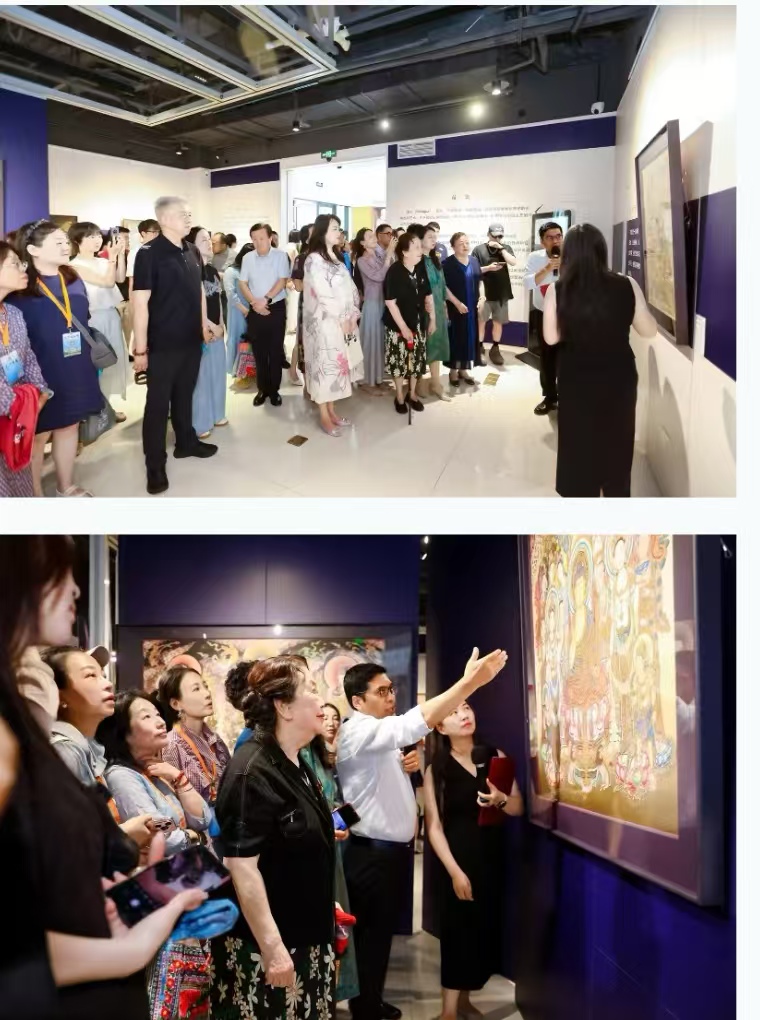
After the ribbon-cutting, President Daya led the guests on a guided tour of the gallery. All exhibits were hand-painted by senior Nepali artists following traditional protocols, using natural mineral pigments such as lapis lazuli, cinnabar, turquoise, and pure gold, ground by hand, with no chemical pigments or printing techniques involved. The intricate and symmetrical Kalachakra mandalas, the solemn and dignified traditional figures, and the delicate and lively Tara series Thangkas fully presented the unique linear aesthetics and natural color system of the Newari school. Guests paused to appreciate the works, expressing admiration for the emotive power of the intangible heritage craftsmanship.
In the afternoon, a special Thangka art appreciation seminar was held. President Daya systematically traced the thousand-year origins of Thangka art, explained the lineage between Nepali Newari painting and Tibetan Thangka, carefully distinguished between hand-painted originals and printed reproductions, and engaged in in-depth discussions with collectors and art enthusiasts on topics such as traditional pigment techniques, mandala culture, and the collection and preservation of Thangkas.
Diya, the China director of the Nepal Thangka Art Academy, stated that the exhibition, guided by the core tenet of "inheriting thousand-year wisdom and illuminating the mind," transcends the mere display of artworks. It focuses on three major goals: the rescue and preservation of endangered intangible heritage, the public popularization of Eastern aesthetics, and friendly cross-civilization communication between China and Nepal. In the next phase, the academy will collaborate with art galleries, public welfare foundations, and youth aesthetic education institutions across the country to continue launching a series of activities, including touring Thangka exhibitions, intangible heritage public lectures, and cross-border art exchange salons—using Thangka as a shared cultural symbol to foster deep cultural integration between China and Nepal.
万德庄严——尼泊尔唐卡精品展在京启幕:以非遗推动中尼文明互鉴
8月9日,“万德庄严——尼泊尔唐卡精品展”在北京光中文教馆正式拉开帷幕。本次展览由尼泊尔唐卡艺术画院主办,北京迦岸国际文化艺术有限公司协办,汇聚国内各领域文化专家与各界代表近百人。展览以尼泊尔纽瓦丽唐卡这一古老的非物质文化遗产技艺为核心载体,旨在搭建中尼文化交流平台,推动喜马拉雅传统美术的活态传承与跨国文明对话。
开幕式现场名家云集。全国妇联原书记处书记、中华儿童文化艺术促进会创会会长兼专家委员会主席范崇嬿,首都书画艺术研究会会长杨建利,中国关心下一代健康体育基金会副秘书长、北京国际艺术博览会基金会常务副理事长兼秘书长张军,北京国际艺术博览会基金会副理事长兼副秘书长姜一萍,中国国际品牌观察中心主任陆德瑞,徐悲鸿艺术馆馆长徐小阳,蒲公英非遗寻百计划发起人、教育部特聘专家胡军杰,非遗华服品牌阅尚雅韵创始人、资深中式华服设计师廖伶,北京金台艺术馆副馆长、北京怡苑文化艺术促进会会长罗肖等嘉宾莅临现场。尼泊尔唐卡艺术画院院长德亚(Daya Prasad Joshi)作为展览主创核心全程参与。
在开幕式主旨发言环节,德亚、范崇嬿、张军、胡军杰先后围绕非遗传承、青少年美育及中尼文化互通等议题发表见解。
德亚院长结合专访深入阐释了展览的文化内核。他指出,展览定名“万德庄严”,与唐卡艺术的精神本质高度契合,即唐卡绝非静止的绘画,而是承载着深厚文化底蕴、哲学智慧与审美理想的艺术载体。谈及展品甄选标准,德亚介绍,全部作品均经严苛筛选,从画师功底、色彩搭配、造像题材到整体艺术表现力层层把关。展品在线条精细度、矿物色彩层次和传统仪轨的严谨性上,均显著区别于市面普通唐卡,集中呈现了纽瓦丽画派的精湛工艺水准。
针对普通观众如何欣赏尼泊尔唐卡,德亚分享了鉴赏要诀:可聚焦于三个维度,包括极致细密的线条、取自天然矿物的古朴配色,以及蕴含丰富文化寓意的传统纹样与人物造型。纽瓦丽唐卡对细节精益求精,每一笔皆遵循古法,天然色彩取自大地与山川,意境悠远,这正是其独树一帜的美学标识。深耕中尼民间文化交流多年的德亚表示,唐卡作为喜马拉雅地区共享的非遗符号,能够让两国民众在艺术审美中增进对彼此文明的认知。常态化开展跨国非遗活动,既能让古老技艺走出本土,更能拉近中尼人民情谊,夯实民间友好根基。
范崇嬿围绕非遗传承与青少年美育融合展开分享。她表示,唐卡作为世界级非物质文化遗产,兼具极高美学价值与人文教化意义,是不可多得的审美教育资源。让更多青少年能够近距离感受多元非遗魅力,有助于在东西方艺术对照中树立文化自信、拓宽国际视野。
张军结合关心下一代公益事业与非遗传播工作指出,基金会始终致力于提升青少年身心健康与艺术素养。唐卡承载千年手工技艺,能够丰富青少年精神文化供给。未来将持续整合公益资源,搭建常态化非遗展示体验平台,让更多优秀作品走向大众,以公益力量守护非遗文脉。
胡军杰聚焦非遗活化与濒危技艺保护。她指出,尼泊尔纽瓦丽古法手绘唐卡属于亟待传承推广的濒危手工非遗项目。“蒲公英非遗寻百计划”长期致力于挖掘、保护、推广传统手工艺。本次展览为中外非遗深度对话提供了优质载体,国内保护工作者可借鉴跨国传播思路,推动本土与海外非遗双向互动,让传统手工艺在当代焕发新生。
主旨发言结束后,剪彩仪式正式举行。德亚、范崇嬿、杨建利、徐小阳、胡军杰、张振宇六位嘉宾共同执剪。彩绸飘落,“万德庄严——尼泊尔唐卡精品展”正式面向公众开放,展期预计持续一个半月。
剪彩仪式后,德亚院长带领嘉宾巡馆导览。展厅所有展品均由尼泊尔资深画师遵循传统规制手工绘制,采用青金石、朱砂、绿松石及纯金等天然矿物原料手工研磨调色,摒弃化学颜料与印刷工艺。繁复对称的时轮金刚坛城、神态庄严的传统人物形象、细腻灵动的度母系列唐卡,完整呈现了纽瓦丽画派独有的线条美学与自然色彩体系。现场嘉宾驻足品鉴,对非遗手工技艺的感染力赞叹不已。
当日下午,专场唐卡艺术鉴赏分享会接续举办。德亚院长系统梳理了唐卡艺术的千年源流,阐释了尼泊尔纽瓦丽绘画与藏地唐卡之间的传承脉络,细致区分了纯手绘原作与印刷工艺品的差异,并就传统颜料工艺、坛城文化内涵及唐卡的收藏与养护等议题,与到场藏家及艺术爱好者进行了深入交流。
尼泊尔唐卡艺术画院中国区负责人迪雅表示,本次展览以“传承千年智慧,映照心灵光明”为核心宗旨,超越了单一艺术品展示的范畴,聚焦濒危非遗的抢救保护、东方美学的公众普及与中尼跨文明友好传播三大目标。下一步,将联动全国多地艺术馆、公益基金会及青少年美育机构,持续推出唐卡巡展、非遗公益讲堂、跨国艺术交流沙龙等系列活动,以唐卡这一共通的文化符号为纽带,推动中尼文化深度交融。